
Fandom drives social and economic processes: many buy into the life of social media influencers, idolize professional athletes, actors, musicians, or wear fancy dress to go to events such as Comic-Cons. But fandom is also part and parcel of the mundaneness of everyday life: the objects of fandom can provide meaning and purpose, or become subject of ideological idolization. In other words: fandom both is embedded into the mundaneness of the everyday and can lift everyday experiences and encounters out of the ordinary. Fandom negotiates relationships between the ordinary and the extraordinary, the everyday and that which transcends the everyday. It often does so through religious language and iconography and the pool of narratives and ideas that religious traditions have created over time.
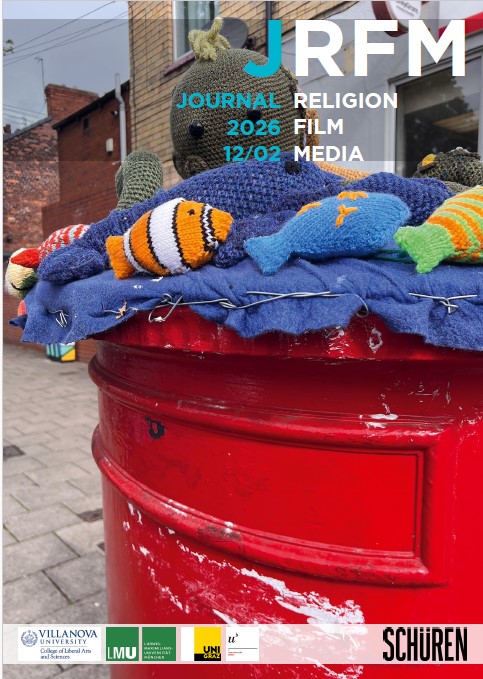
Fandom is also connected to the practices of collecting, sharing, and crafting identities and communities. Small artifacts become expressions of both a kind of rootedness but also things that ought to stand out. The postbox toppers that are popular in Britain and which you can see on the cover are one such example: they gather circles of fans, create communities, spark mysteries, communicate a sense of caring, but also link to ethical and religious questions, such as: how can a sense of belonging, a sense of purpose become tangible and experienceable.
Edited by: Anna-Katharina Höpflinger and Alexander D. Ornella